
Active Team Games: Energise Your Team With These Fun Physical Challenges
Many of us spend a lot of our working day sitting down: desk, chair, coffee, repeat. And while there’s nothing wrong with a solid spreadsheet session, too much stillness can leave teams feeling flat, disconnected and about as motivated as a phone on 2% battery.
That’s where active team games come in.
Games that encourage movement – whether that’s walking, running, stretching, racing or just getting people out of their chairs – have a knack for shaking teams out of autopilot. A bit of physical activity gets the blood flowing, sparks energy and does wonders for focus and morale. Add in a shared challenge or two, and suddenly people are laughing, problem-solving together and talking to colleagues they rarely cross paths with.
The best part? Active team games don’t require anyone to be “sporty” or ultra-competitive. This isn’t about turning your office into the Olympics (no whistles or Lycra required). It’s about participation over performance. In other words, getting people moving at their own pace, collaborating in new ways and enjoying the break from business-as-usual.
In this guide, we’ll explore active team games that get people moving, improve teamwork and boost morale and motivation. You’ll find ideas that work indoors and outdoors, for small teams and large groups, and for everyone from the enthusiastic go-getter to the “I’ll watch… actually, fine, I’ll join in” type. Whether you’re planning a full team-building day or just want to inject a bit more energy into your next event, these activities are designed to get teams moving, connecting and feeling genuinely good doing it.
Why Active Team Games Work

There’s a reason people walk out of active team-building sessions smiling, energised and suddenly far more chatty than usual. Movement does things to the brain that another slide deck simply can’t.
When people get moving, their energy levels lift almost immediately. Even light physical activity increases blood flow, sharpens focus and helps shake off that mid-afternoon slump. It’s why a short walk can spark better ideas. It's the same for active team games: they are an incredibly powerful reset button for teams that feel tired, stuck or a little disengaged.
Active games also level the playing field. Hierarchies tend to melt away when everyone’s trying to solve a clue, race to a checkpoint or coordinate a challenge under time pressure. Suddenly it’s not about job titles or who sits where in the office; it’s about communication, adaptability and working together to get the job done. Often, the quiet achievers shine just as brightly as the natural leaders.
There’s also the motivation factor. Completing a physical challenge together creates a shared sense of achievement, even if the task itself is light-hearted or a bit silly. That “we did it” feeling builds trust, confidence and momentum, all of which carry back into day-to-day work long after the activity ends.
And let’s not overlook the fun. Active team games give people permission to laugh, move and be human at work. That combination of movement and play lowers stress levels, strengthens relationships and helps teams reconnect in a way that feels natural rather than forced. In short: people enjoy themselves, and motivated teams are almost always the ones having the most fun.
Active Team Games to Get Your Team Moving

If you’re going to get people out of their chairs, the activities need to feel fun, achievable and worth the effort. The good news? Active team games come in all shapes and sizes, from high-energy outdoor adventures to indoor challenges that still get the heart rate up. Below are some crowd-favourite options that encourage movement, motivation and plenty of laughs along the way.
Outdoor & On-the-Move Team Games
Amazing Race
A classic for a reason. Teams navigate their way through a city or location, completing clues and challenges along the way. Expect plenty of walking, fast decision-making and friendly competition. It’s high-energy without being physically demanding, making it a great all-rounder for mixed groups.
Urban Explorer
Similar to a race but with more discovery built in. Teams explore local landmarks, solve location-based puzzles and rack up points as they go. It encourages movement at a steady pace and rewards teamwork just as much as speed.
The Ultimate Challenge
A rotating series of physical and mental challenges designed to test coordination, communication and resilience. Think quick bursts of activity rather than endurance, which keeps energy high and participation inclusive.
Amazing Race with Bars
All the movement and problem-solving of a city race, with scheduled pit stops along the way. It’s active, social and ideal for teams that want a balance between challenge and casual connection.
Charity Chase
Teams move through challenges while working toward a shared charitable outcome. The added sense of purpose boosts motivation and makes every step feel more meaningful, especially for teams keen to give back.
Indoor or Low-Space Active Games
Minute to Win It
Fast, physical challenges using everyday items. The activities are short, silly and surprisingly competitive, keeping teams moving without needing a large venue or athletic ability.
Survivor-Style Challenges
A series of team-based tasks inspired by classic reality TV challenges. These are energetic, collaborative and great for teams that enjoy a bit of friendly rivalry.
Relay Challenges
From cup-stacking races to paper plane runs, relays encourage quick movement, cheering from the sidelines and plenty of team spirit. Simple to run and easy to adapt for different spaces.
Interactive Game Shows
Think trivia, charades, or problem-solving rounds where standing up, moving across the room or acting things out is part of the fun. Ideal for indoor events that still need a physical edge.
The best active team games strike a balance between movement and enjoyment. They don’t need to leave people exhausted: just energised, engaged and a little bit proud of what they achieved together.
Tips for Planning Active Team Games
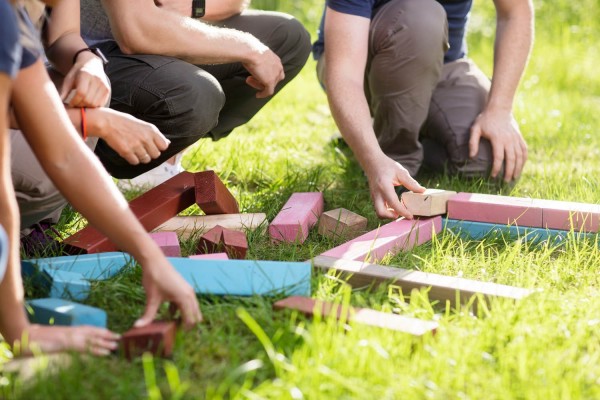
A great active team game doesn’t come from cranking the difficulty dial to extreme. It comes from smart planning that makes people feel comfortable, included and keen to jump in. A little thought upfront goes a long way in making sure the energy stays high for the right reasons.
Match the activity to your team
Not every group wants to sprint across a city or crawl through an obstacle course, and that’s okay. Choose activities that allow people to participate at their own pace, with roles that suit different comfort levels. The goal is movement, not medals.
Choose the right space
Indoor, outdoor, city streets, open park – the environment matters. Make sure there’s enough room to move safely, clear instructions on boundaries and a backup plan if weather decides to do its own thing.
Set clear rules (and keep them simple)
Nothing kills momentum faster than confusion. Explain objectives clearly, demonstrate tasks where needed,and keep rules easy to follow. If people know what they’re doing, they’re far more likely to enjoy doing it.
Build in breaks and water stops
Movement boosts energy, but hydration and short rest moments keep it sustainable. Especially for longer sessions, planned pauses help people stay engaged rather than checking out halfway through.
Balance competition with collaboration
A bit of competition adds excitement, but too much can turn things tense. Look for games that reward teamwork, creativity and communication, not just speed.
Finish with a quick debrief
You don’t need a long workshop-style reflection. A few simple questions like “What worked well?” or “What surprised you?” helps teams connect the fun back to how they work together day-to-day. Just beware of forcing it too much; organic conversation will always resonate more strongly.
Plan it well, keep it light and remember: if people are smiling and moving, you’re doing it right.
Keeping Teams Motivated Before, During and After the Games

Movement gets people going, but motivation is what keeps the buzz alive. The most successful active team games don’t just energise teams in the moment; they create a sense of momentum that carries back into the workplace.
Before the event: set the tone
Build anticipation early. Let people know the focus is on fun, movement and participation – not fitness levels or competition. A light teaser can help shift mindsets and lower any nerves before the day.
During the games: celebrate effort, not just wins
Cheering, encouragement and small moments of recognition go a long way. Celebrate creative thinking, great communication or a team that supported one another – not just whoever finishes first. This keeps motivation high across the whole group, not just the fastest movers.
Use themes or storylines
Framing activities as a mission, challenge or shared goal adds purpose and pulls people in. Whether it’s a city-wide race, a survivor-style challenge or a charity-driven experience, a simple narrative makes movement feel more meaningful.
After the games: keep the energy alive
Don’t let the good vibes disappear the moment everyone sits back down. Share photos, highlight funny or impressive moments, and reference the experience in future meetings or team catch-ups. Even casual shout-outs help reinforce the positive impact.
When teams associate movement with connection, success and enjoyment, motivation stops feeling forced and becomes something they naturally bring back into their everyday work.
Customising Active Games for Different Teams

No two teams move in exactly the same way, and that’s a good thing. One of the biggest strengths of active team games is how easily they can be adapted to suit different personalities, goals and group dynamics.
For corporate office teams, activities that mix light movement with problem-solving tend to work best. City-based challenges, clue-solving races or indoor movement games keep energy high without feeling physically overwhelming. These options are ideal for teams that want to stay active while still engaging their brains.
For new or recently merged teams, choose games that encourage collaboration over competition. Activities with shared goals help people break the ice, build trust and find their rhythm together without pressure to perform.
If your team includes remote or hybrid workers, consider experiences that allow flexible participation. Hybrid challenges, step-based goals or location-based tasks can bring people together even if they’re not all in the same place.
For high-energy or competitive teams, lean into faster-paced formats with time limits, scoreboards and rotating challenges. These groups often thrive on momentum and friendly rivalry, as long as the emphasis stays on fun.
The key is flexibility. When active team games are tailored to the people taking part, they feel inclusive, motivating and genuinely enjoyable. A small adjustment to pacing, team size or challenge design can make the difference between an activity people tolerate and one they truly engage with.
Ready to Get Your Team Moving?
Active team games do more than just get people on their feet. They spark energy, boost motivation and help teams reconnect in a way that feels natural and genuinely enjoyable. When movement, teamwork and a bit of fun come together, the result is a team that’s more engaged, more connected and far more likely to carry that momentum back into everyday work.
Whether you’re planning a full team-building day, an offsite or simply want to inject some life into your next event, active games are a powerful place to start. You can begin mapping out ideas that suit your team’s size, energy levels and goals.
If you’d rather keep things simple, let the experts handle it. Chat with a Team Days event planner to explore active team games tailored to your team, location and objectives. From high-energy races to inclusive movement-based challenges, we'll help you design an experience your team will actually look forward to (and talk about long after it’s over).
Active Team-Building Games: Frequently Asked Questions
Here are answers to some of the most frequently asked questions about active team-building activities.
What makes a team game “active” rather than just fun?
An active team game involves physical movement as part of the experience, whether it's walking, navigating spaces, moving objects or completing physical challenges. It doesn’t mean high-intensity exercise. Even light movement can lift energy levels and engagement, especially when paired with teamwork and problem-solving.
Do active team games work for mixed fitness levels?
Absolutely. The best active games are designed around participation, not athletic ability. Many activities offer multiple roles within each team, so people can contribute in different ways, whether that’s leading navigation, solving clues or coordinating tasks. Movement should feel inclusive, not intimidating.
How long should an active team-building session run?
Most active team games work best between 60 and 120 minutes. That’s long enough to build momentum and connection without pushing energy levels too far. For longer events, mixing active challenges with short breaks helps keep people engaged from start to finish.


Andrew is a Sydney-based writer who finds inspiration in people, purpose and bringing big ideas to life.
Let's do this
Enquire now
Add activities to your quote, or just tell us what you want to do.